Driving Change for Healthier Athletes
Whether you’re in pre-season preparation or returning from injury, our evidence-based programmes are designed to protect your shoulder health and keep you in the game.
Whether you’re in pre-season preparation or returning from injury, our evidence-based programmes are designed to protect your shoulder health and keep you in the game.
Our focus is two‑fold:
First, injury prevention: we deliver proactive, sport‑specific prehabilitation strategies designed to build resilience before problems occur.
Second, rehabilitation & evidence‑based care: we provide the latest research‑informed guidance for athletes recovering after injury or surgery, ensuring a safe, effective path back.
At Armour Up, we believe the best outcomes come when athletes, coaches and clinicians work together, backed by rigorous assessment and proven interventions. Whether you’re in full training mode or returning from a shoulder setback, our mission is to help you perform at your best — and minimise the risk of future setbacks.
This proactive programme is designed to prepare the shoulder for the high demands of sport – before injury occurs. It focuses on enhancing:
Our Armour Up programme is designed for athletes who want to stay ahead of shoulder injury rather than respond to it afterwards. This proactive, research‑grounded programme focuses on strengthening, mobility, neuromuscular control and sport‑specific stability — all tailored to the unique demands of your sport and position.
Individualised planning: We start with sport‑specific demands (overhead throwers, contact athletes, swimmers, etc.), shoulder history and performance goals, so your plan is bespoke rather than generic.
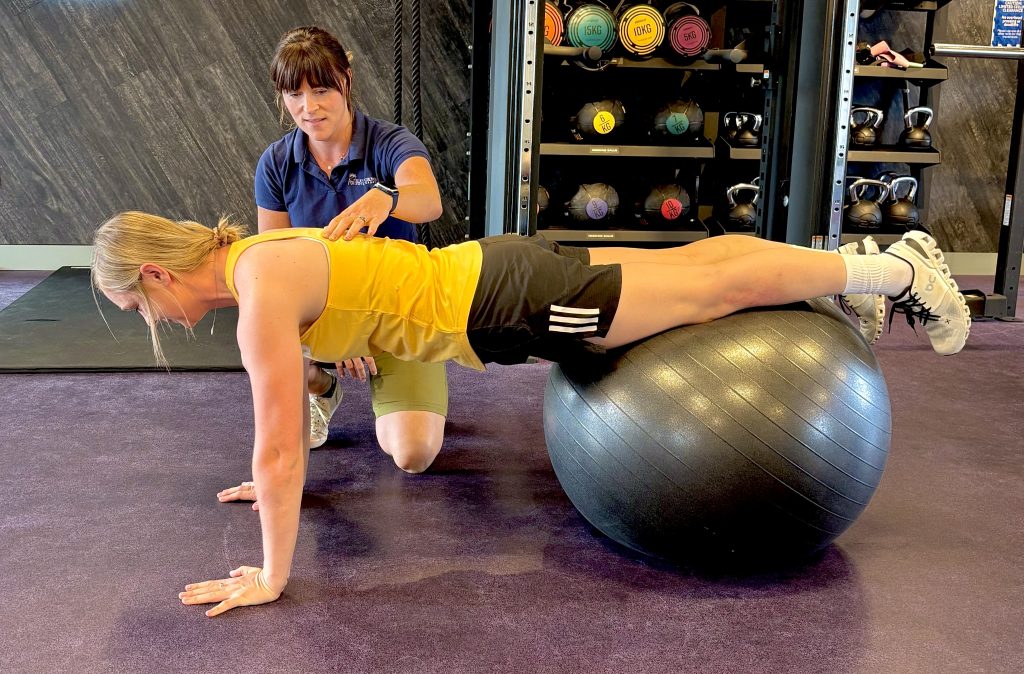
Evidence‑informed exercise prescription: We integrate proven prehabilitation strategies targeting strength of stabilisers & prime movers, improving scapular control, optimising thoracic and gleno‑humeral mobility, and enhancing endurance of shoulder‑specific musculature.
Progressive integration: The programme is designed to be incorporated into your regular training as a complement, not a burden, it scales with your training phase, volume and sport demands.
Performance & resilience focus: By addressing common vulnerabilities (such as overhead motion fatigue, scapular instability, rotator cuff/externals weakness), the programme aims to reduce injury risk and optimise performance longevity.
Long‑term joint health: Beyond immediate performance gains, the plan contributes to shoulder joint health, muscular balance, posture and functional resilience, helping athletes compete with confidence and minimal downtime.
Our view: prehabilitation isn’t simply an “add‑on”, it’s a foundational part of the athlete’s training ecosystem, especially in sports involving repetitive overhead or high‑velocity shoulder use
Every plan is customised to the athlete’s sport, position, and level of play, with interventions backed by the latest sports medicine research. Particularly effective in overhead and contact sports, this approach builds resilience, reduces injury risk, and supports sustainable performance.
Using a combination of validated subjective and objective measures is essential for reliably assessing an athlete’s readiness to return to sport after shoulder injury or surgery; this approach provides measurable, research-based criteria that help reduce re-injury risk and ensure a safe progression back to activity. Here are the most validated tests based on the current research for assessing return to sport.
By combining these elements and considering the demands of the specific sport, clinicians can make well-informed decisions and reduce the risk of re-injury, supporting a successful transition back to training and competition.